Memorial of Saint Pius X, Pope
Matthew 22:1-14
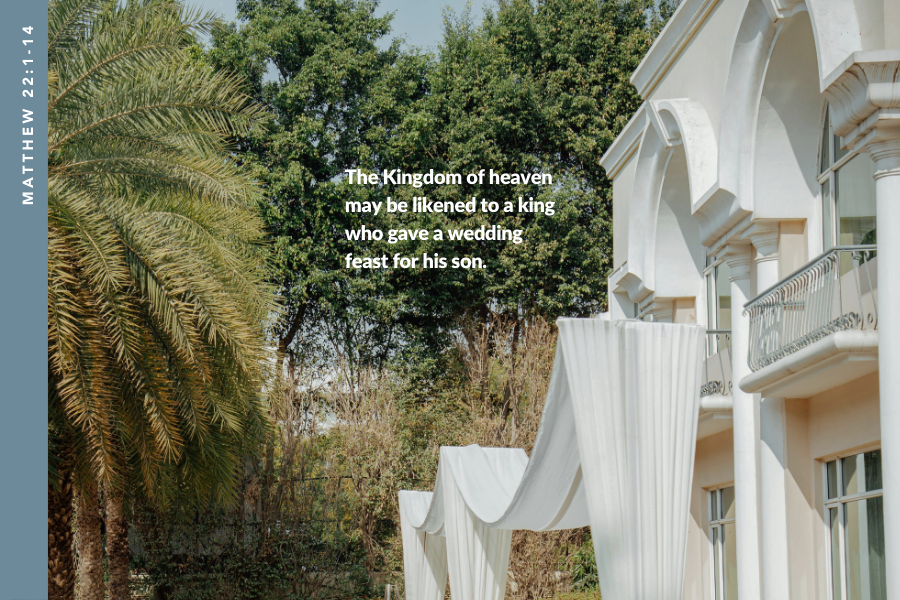
Jesus again in reply spoke to the chief priests and the elders of the people in parables saying, “The Kingdom of heaven may be likened to a king who gave a wedding feast for his son. He dispatched his servants to summon the invited guests to the feast, but they refused to come. A second time he sent other servants, saying, ‘Tell those invited: “Behold, I have prepared my banquet, my calves and fattened cattle are killed, and everything is ready; come to the feast.”’ Some ignored the invitation and went away, one to his farm, another to his business. The rest laid hold of his servants, mistreated them, and killed them. The king was enraged and sent his troops, destroyed those murderers, and burned their city. Then the king said to his servants, ‘The feast is ready, but those who were invited were not worthy to come. Go out, therefore, into the main roads and invite to the feast whomever you find.’ The servants went out into the streets and gathered all they found, bad and good alike, and the hall was filled with guests. But when the king came in to meet the guests he saw a man there not dressed in a wedding garment. He said to him, ‘My friend, how is it that you came in here without a wedding garment?’ But he was reduced to silence. Then the king said to his attendants, ‘Bind his hands and feet, and cast him into the darkness outside, where there will be wailing and grinding of teeth.’ Many are invited, but few are chosen.”
Opening Prayer: Lord Jesus, grant that I may know you, and that by knowing you I may love you more fully and follow you more faithfully.
Encountering Christ:
- Invited: This passage provides us with another glimpse into the heart of our God. He desires our participation in his Kingdom. He invites many to rejoice in the wedding feast, a grand and joyful celebration of union. This vision of the Lord is far from one that sees him as a harsh and exacting ruler, demanding and restricting in his exigencies. Instead, we see a God who takes the initiative to invite us into the joys of his inter-Trinitarian life where love and self-gift rule actions. How blessed we are!
- Response: Jesus offers a sort of examination of conscience for listeners to reflect on their response to God’s invitation. He tells us that one went off to his farm, a sign of remaining in one’s comfort zone. Another went off to his business, dismissing the invitation with the presumption that his concerns were more important than this invitation from God. He rejected the eternal king’s invitation to zealously set up his own kingdom. Another seized the servants and mistreated them. This reaction reflects those who find the Christian message uncomfortable, and instead lash out by bullying others.
- Consequence: The king actively punished those who ignored, refused, or threw the invitation back in his face. And when the guests had finally been rounded up, one man was found wanting, without a wedding garment. This parable stands as a stark reminder of what inner destruction occurs when the relationship between Creator and creature is severed. The Lord invites, he even goes out and gathers up, but what is to be done if there is absolutely no response on our part? The Kingdom of Heaven is open to all, but few will be chosen because they do not welcome the invitation. We are called to recognize the invitation, prepare our hearts, and dress them accordingly, with gratitude and willingness to receive God’s gifts.
Conversing with Christ: Lord Jesus, help me to prepare my heart for the wedding banquet that you invite me to. Awaken my consciousness of your great blessings in this life and the invitation to eternal life with you.
Resolution: Lord, today by your grace I will continue to be conscious of the blessings I receive and answer you with a heartfelt “thank you!”
Jennifer Ristine is a consecrated woman of Regnum Christi dedicated to spiritual and faith formation through teaching, conferences, writing, and spiritual direction. While serving in Ancient Magdala she wrote Mary Magdalene: Insights from Ancient Magdala and “Nine Days with Mary Magdalene.”